Fishing Rod Warranties: Defects, Damage and Fees
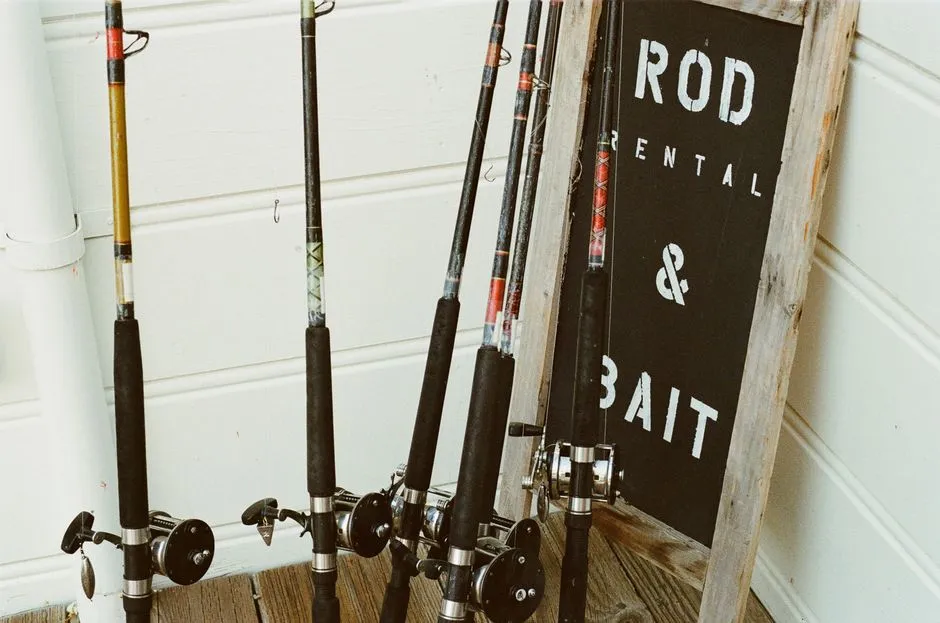
- Does a fishing rod warranty cover accidental damage?
- Which promise are you actually reading?
- What does “limited lifetime” leave unresolved?
- How can a paid accident program differ?
- What can a breakage guarantee include and exclude?
- How do you compare a separately sold plan?
- What does a complete cost record look like?
- What information should you keep together?
- What should happen if the rod is already damaged?
- Sources
Does a fishing rod warranty cover accidental damage?
Not automatically. Read the policy for the exact rod, market and purchase: a manufacturing-defect warranty, a breakage guarantee and a paid replacement program can cover different events and charge different fees. Confirm eligibility, exclusions, registration, shipping and the proposed remedy before valuing the offer. Do not damage or repair a rod to establish a claim; stop using damaged tackle and obtain manufacturer or qualified repair guidance. This is document-reading guidance, not individualized legal advice.
The practical verdict is to compare the event covered before comparing the years advertised. A long term for manufacturing defects does not answer what happens after accidental damage. A breakage program may answer that question but still have ownership restrictions and costs.
This guide uses published U.S.-facing information checked September 8, 2026. It does not rank rod performance, report a completed claim or endorse a purchase.
Which promise are you actually reading?
Keep the documents separate:
| Document or offer | Question it needs to answer | Do not infer |
|---|---|---|
| Manufacturer's written warranty | Which product faults and remedies are covered? | Every broken rod qualifies |
| Included breakage guarantee | Which breakage events, models and owners qualify? | Repair is free or loss is covered |
| Paid replacement program | What replacement is available, to whom and at what charge? | It is the same benefit as the defect warranty |
| Separately sold service contract | What extra coverage does the separate payment purchase? | It adds useful coverage merely because it costs extra |
| Seller's return policy | What can be returned to that seller, under which terms? | A return window defines the manufacturer's warranty |
The FTC's warranty guidance recommends reading written coverage, identifying who handles problems and checking labor or shipping costs. It also recommends retaining the warranty and receipt and getting spoken promises in writing.
For a show purchase, ask for the exact policy link while the model and seller are still identifiable. A booth sign is an introduction to the terms, not the terms themselves. Add that document check to your show-floor buying notes.
What does “limited lifetime” leave unresolved?
The current G. Loomis U.S. warranty page describes coverage for workmanship and material nonconformities for the original owner's lifetime. It excludes commercial or rental use and separately lists a five-year limited warranty for IMX-Pro Ice rods.
That is a useful example of why the product family matters. Copying “lifetime” into a comparison table without the covered fault, owner and exception would change the meaning.
Our editorial worksheet uses three separate fields: duration, covered event and eligibility. None substitutes for another. If an offer says “lifetime,” ask whose lifetime it means; if it says “defects,” ask who assesses the problem and what the assessment can cost. Leave unanswered fields marked unresolved.
A broken rod is an observed condition. “Manufacturing defect” is a conclusion about cause and coverage. Record what happened honestly without converting an observation into an unsupported diagnosis.
How can a paid accident program differ?
On its current North American Xpeditor page, G. Loomis describes a no-fault replacement program for registered rods, available to U.S. and Canadian customers. Its stated discount is 60% off retail value, plus tax and shipping. The page's $450 example produces a $180 replacement charge:
$450 × (1 − 0.60) = $180.
That is paying 40% of retail, not paying 60%. The page's abbreviated parenthetical notation is unclear, but its stated discount and dollar result agree with this calculation.
Discontinued models receive the closest comparable model or build material. Demo rods, premier rods, rod blanks and kit rods are excluded. Confirm current eligibility and the complete quote with the provider; these are not universal terms for fishing rods.
For your notes, give the paid program its own row. Do not label a fee-based replacement “free under warranty,” and do not add its price to a defect claim unless the provider actually identifies that charge as applicable.
What can a breakage guarantee include and exclude?
Orvis's fly-rod repair page lists a 25-year guarantee for qualifying Helios, Helios 3, Recon, Superfine, Clearwater and Mission rods purchased from Orvis or an authorized dealer. It is for the original owner; purchase proof may be required, and loss or theft is excluded.
Its exceptions matter. Bamboo, original pre-2014 Frequent Flyer, Streamline and pre-2021 Encounter rods receive original-workmanship coverage instead. Encounter rods from 2021 onward have a five-year repair term.
The same page lists a $60 processing charge covering materials, labor and return shipping, but not shipping to the repair shop. Its optional $12.95 prepaid inbound label is available when arranging a return online; international shipping has separate conditions. These are published U.S.-facing figures, not a quote for every rod or region. Reconfirm the applicable model, fee and route before committing.
This example illustrates different promises, not a winner. A policy can include accidental breakage while retaining exclusions, charges and provider discretion about replacement. Read the details for older or unusual models rather than extending the headline to the whole brand.
How do you compare a separately sold plan?
The FTC's service-contract guidance distinguishes separately purchased coverage from a warranty included with the product. It advises checking overlapping coverage, deductibles, shipping, reimbursement limits and the responsible company.
Use two questions in order: what additional event is covered, and what does obtaining that benefit cost? A lower fee is not useful evidence if the event you care about is excluded. Equally, broader wording does not establish that a particular future claim will be accepted.
Our suggested document comparison keeps the original warranty open beside the proposed plan. Highlight only provisions that add something different. Record exclusions in the same row as benefits, not in a separate page you will forget to compare.
Do not treat a salesperson's verbal summary as an amendment. Ask for the applicable written terms, including any special conditions for discounted, used or demonstration stock. This is a request for information, not a conclusion that such stock is always excluded.
What does a complete cost record look like?
The following figures and offers are entirely fictional. They are not prices from either manufacturer above, not forecasts of breakage and not recommendations to buy coverage.
| Cost field | Fictional Option A | Fictional Option B |
|---|---|---|
| Separate plan purchase price | $0 | $45 |
| Charge for the assumed eligible event | $75 | $20 |
| Confirmed inbound shipping | $18 | $18 |
| Confirmed return shipping | Included | Included |
| Total for purchase plus this one event | $93 | $83 |
Arithmetic: A is $0 + $75 + $18 = $93. B is $45 + $20 + $18 = $83. Under these invented conditions, B costs $10 less for this one eligible event.
That calculation is not an expected-value model. If no event occurs, the separate plan payment remains $45 while A's separate-plan payment is $0. If the event is excluded, the table's assumed remedy does not apply. Different eligibility, taxes, packaging, additional charges or replacement terms would require different inputs.
In a real record, do not enter zero for an unknown charge. Write “not confirmed” and leave the total incomplete. Nor should a replacement's retail value be entered as cash received if the policy offers equipment rather than a refund.
What information should you keep together?
Our suggested purchase record contains the exact model and variant, seller, purchase date, condition sold, receipt, policy version or saved date, applicable region, registration confirmation where relevant, and official support route. Keep private purchase details in your own records rather than posting them publicly.
Add a short status field: terms obtained, question sent, answer received or claim decision received. Those are different stages. A completed registration is not a promise that any future problem qualifies.
Before buying a sentimental or discontinued model, ask what happens if repair is impossible. A comparable replacement may not preserve the particular rod you wanted. Obtain the provider's answer without assuming an identical replacement remains available indefinitely.
What should happen if the rod is already damaged?
Stop using it. Do not flex, load, cut, deliberately break or attempt to repair it to demonstrate a fault or prepare evidence. Keep sharp damaged sections away from children and other people. Ask the manufacturer or a qualified rod-repair professional for safe assessment and handling instructions before any physical work or shipment.
An information guide cannot determine a defect from a description or authorize a warranty remedy. For an unresolved U.S. consumer-rights question, consult a state consumer-protection office or qualified lawyer, as the FTC directs. Other jurisdictions have different rules.
The purchase record supports a clear conversation; it does not replace safe equipment, current fishery rules or responsible tackle planning. Coverage after damage is separate from permission to keep fishing with damage.
Sources
Sources checked September 8, 2026. Confirm the exact policy applicable to the product, purchase and region.